
Water Heater Leak Cleanup
Tank failures in garages, closets and attics, with the water pulled up and the walls and floors around it dried.
View service (833) 829-0018

Fossil Creek, north Fort Worth
A water heater that let go in the garage overnight, damp carpet that turned out to be a leak under the slab, a ceiling stain that showed up a week after the hail. One call reaches a local restoration company that can pull the water out and dry the house.
Have your 5-digit ZIP code ready. A short prompt connects you to a local provider.
Water damage restoration in Fossil Creek means shutting off the source, extracting water from carpet, tile and laminate, drying slab floors, drywall, cabinets and attic framing with dehumidifiers and air movers while taking daily moisture readings, and rebuilding what had to come out. Most calls in north Fort Worth come from water heaters, slab leaks, hail and wind damage, frozen pipes and appliance or toilet overflows.
Overview
Water damage restoration in Fossil Creek takes a wet house back to dry and repaired. The water usually comes from inside: a tank water heater rusting through, a supply line under the slab cracking as the clay moves, a washing machine hose bursting, a toilet that overflowed. Storms add their share when hail cracks shingles or wind lifts flashing. Plumbing on your side of the meter is yours, so this is your repair to arrange.
Choose the page that matches. A tank leaking in the garage or attic is water heater leak cleanup. Water rising from under the floor is under-slab leak drying. Stains overhead after weather are storm and hail leak cleanup. Splits from a hard freeze are frozen pipe cleanup. Washers, dishwashers and toilets are appliance and toilet overflows, and growth afterward is mold cleanup.
Neighborhoods differ: 1980s homes in Summerfields have older plumbing and often polybutylene, while Park Glen is a bit newer with two-story homes and more upstairs bathrooms.

Do this now
Close the main or the fixture valve. For a water heater, close the cold line on top and turn off the gas or the breaker.
Do not walk through water near outlets or extension cords. Switch breakers only from a dry spot. Avoid sagging ceilings.
Photos and video of the water and the source, before anything moves. Adjusters ask for them first.
Call (833) 829-0018. On a slab, water slides under laminate, carpet and cabinets fast, and every hour adds to what has to come out.
Before anything gets dried or thrown out, the crew grades the water.
Grade one is clean: a burst supply hose, a water heater, a fresh roof leak. Drywall and carpet can often stay and be dried.
Grade two is gray: washing machine drain water, a dishwasher overflow, a toilet overflow without waste, or clean water that has been sitting more than a day or two. Expect more cleaning and more removal, especially of carpet pad.
Grade three is black: sewage, or storm water that ran in across the yard. Anything soft it touched comes out, and the rest is disinfected before the drying equipment goes in.
Restoration companies covering north Fort Worth keep people on call through nights, weekends and holidays. For an address in 76137 or 76131, most callers get an arrival time on the first call and a visit the same day. After a hail night or during a freeze, demand spikes across Tarrant County, so call as soon as you see water instead of waiting to see how bad it gets.
Tell them whether the water is from the water heater, under the floor, above the ceiling or an appliance. It changes who they send.
On a slab, water has nowhere to go but sideways. It slides under laminate and carpet, into the hollow bases of kitchen cabinets and up the drywall. A toilet overflow in a hall bath can show up in the bedroom carpet next door. Meters and thermal cameras find that hidden spread, which is why the first visit takes time. Cabinets are a special case: their hollow bases hold water out of sight, and crews often pull the toe kick panel to blow air underneath instead of tearing the cabinets out.
Services
Each page explains one kind of job in everyday words and lists what to ask before it starts.
Tank failures in garages, closets and attics, with the water pulled up and the walls and floors around it dried.

After a plumber fixes a leak under the foundation, the wet flooring, baseboards and drywall get dried out.
Rain let in by hail-cracked shingles or wind-torn flashing, dried out of attics, ceilings and upstairs rooms.
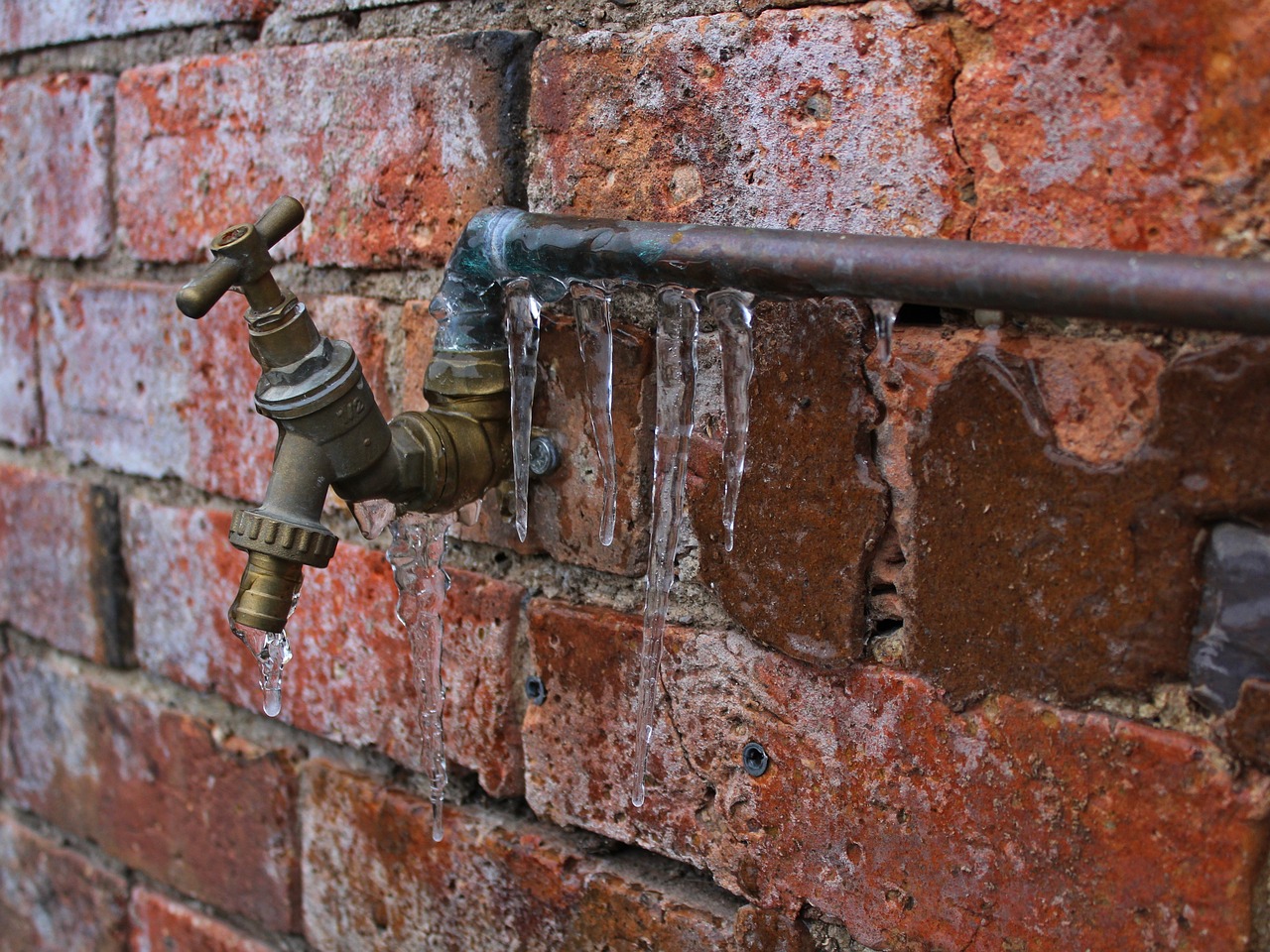
Lines that froze and split in attics, garages and outside walls during a hard Texas freeze, and the rooms they flooded.
Washers, dishwashers, ice makers and toilets that overflowed, cleaned up according to how dirty the water was.
Mold that followed a missed leak, removed with containment, and licensed under Texas rules when the area is large.
Texas has no statewide license for restoration companies, but plumbing work requires a plumber licensed by the Texas State Board of Plumbing Examiners, and mold jobs over 25 contiguous square feet require licensed professionals under TDLR mold licensing. Ask for license numbers and look them up. Ask about IICRC training and for a certificate of insurance.
The area around Fossil Creek Boulevard and Beach Street was mostly ranch land until the early 1980s, when Summerfields and the first subdivisions north of Loop 820 went in. Park Glen followed in the 1990s, and building kept moving north along I-35W and US 287 through the 2000s. Today it is one of the most settled parts of north Fort Worth, with schools, parks and shopping along Western Center Boulevard and North Tarrant Parkway.
The houses share a pattern. Nearly all are single-family homes on concrete slabs over expansive clay, mostly brick, one or two stories, with tank water heaters in the garage or a closet and air handlers in the attic. Homes built in the 1980s and early 1990s may still have gray polybutylene supply pipe. Spring storms bring hail and high wind, summer brings heat that dries the clay, and every few winters a freeze reaches pipes in attics and outside walls.
Water and sewer service come from Fort Worth Water. The city takes care of the mains and meters. The service line from the meter to the house, all the plumbing in and under it, and the private sewer line belong to the homeowner.
A good crew walks every wet room with a meter, checks inside cabinets and behind appliances, and goes into the attic if the water came from above. They show you the moisture map, explain what can dry in place and what must come out, and leave a written plan and equipment list.
They return to read the meters and move equipment as areas dry. If numbers stall, they change the setup. You get photos and readings to send your adjuster.
Photograph before anything moves and call your agent. Fort Worth restoration companies work with insurers constantly. They keep readings, photos and equipment logs, and many bill the insurer directly so you are not fronting the whole cost. Ask on the first call. Sudden leaks are usually covered. For slab leaks, many policies pay for access and water damage but not the pipe repair.
When readings are normal, the rebuild begins: drywall, baseboards, paint, flooring, sometimes cabinets. Some restoration companies handle it; others refer a contractor. Ask early whether your flooring can be matched or whether a whole room will need new flooring.
Calls also come from businesses along North Tarrant Parkway and Western Center Boulevard, and from rental homes and apartments across north Fort Worth. Same steps, with more planning around tenants and business hours.
Landlords and property managers usually want one contact person, daily written updates and photos they can forward to owners and insurers. Ask for that on the first call so the reporting starts on day one.
The difference between a small bill and a large one is usually time. Clean water that sits for an hour on tile is extracted and dried in a few days. The same water left overnight wicks into drywall, swells cabinet bases and soaks carpet pad, and by the second day it may be gray water with more removal required. Shutting off the source and calling right away is the single best thing you can do.
Photos





Stock images of the sort of jobs Fort Worth crews handle.
FAQ
At the meter box near the street, or at the house valve, which in many north Fort Worth homes is on an outside wall near the front or in the garage near the water heater. A water heater has its own valve on the cold line at the top.
Close the cold water valve at the top of the tank, turn off the gas or the breaker, and connect a hose to the drain valve if you can run it outside. Then call. Water heater leaks spread quickly into nearby rooms.
Many Texas policies cover the cost to access the pipe and the water damage, but not the pipe repair itself. Check your policy, because the details vary.
Usually three to five days for clean water. Slab floors that soaked from below and cabinets on a wet floor can take longer.
Talk to a crew
One call reaches a restoration company that works across north Fort Worth, from Summerfields and Park Glen to the streets off Basswood and Western Center. You hear the plan and the pricing before anything starts.
(833) 829-0018Have your 5-digit ZIP code ready. A short prompt connects you to a local provider.